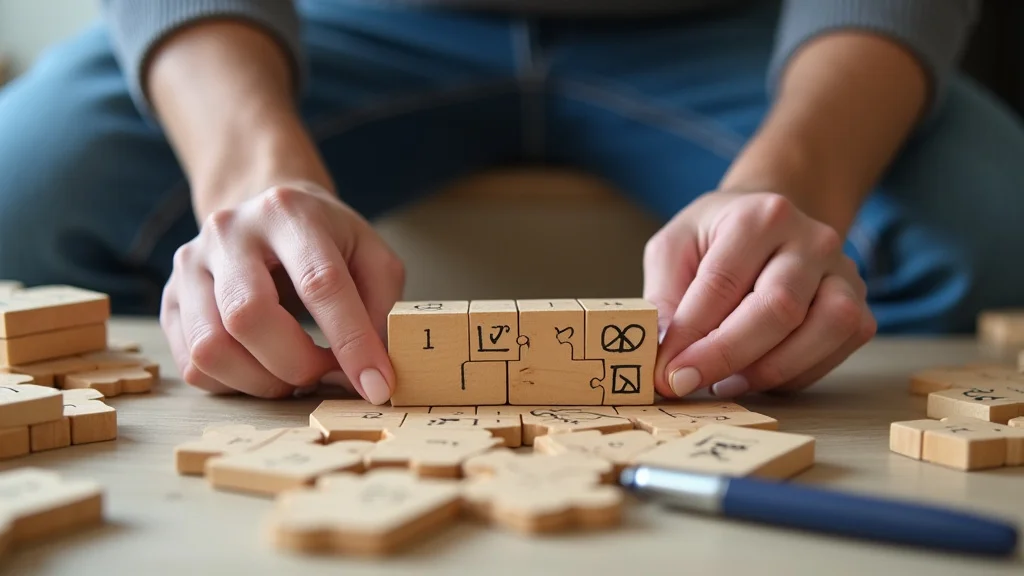
Remember that feeling of accomplishment when you finally solved a particularly tricky puzzle as a kid? Now, imagine that feeling, amplified. Many adults find themselves looking for hobbies that provide mental stimulation, a break from screens, and a sense of tangible achievement. Enter the fascinating world of mechanical puzzles adults! From intricate locks to cleverly designed brain teasers, these puzzles offer a rewarding challenge and a fantastic way to sharpen your problem-solving skills. In this guide, we’ll explore the various types of mechanical puzzles, offering tips for beginners and insights for seasoned puzzle enthusiasts. You’ll discover the benefits of these challenging activities and learn how to choose the right puzzles to suit your interests. Get ready to enhance your cognitive abilities and enjoy the satisfying click of a puzzle solved!
Key Takeaways
- Discover the diverse types of mechanical puzzles available for adults.
- Learn how mechanical puzzles can enhance your cognitive skills, memory, and focus.
- Explore tips for choosing the right puzzles based on your skill level and preferences.
- Understand the materials used in mechanical puzzles and their durability.
- Find out where to purchase mechanical puzzles and the approximate cost.
- Gain insights into the history and evolution of mechanical puzzles.
Unlocking the Allure of Mechanical Puzzles
Mechanical puzzles have a rich history, dating back centuries. They’ve captivated thinkers, inventors, and enthusiasts alike. Their appeal lies in their tangible nature, requiring hands-on interaction and offering a break from the digital world. The simple satisfaction of manipulating physical objects to achieve a specific outcome is incredibly gratifying. These puzzles are not just entertainment; they offer a challenging path to mental fitness, improving problem-solving abilities and spatial reasoning. The diversity is quite impressive, with puzzles crafted from various materials and designed for all skill levels.
Origins and Evolution
The earliest examples of mechanical puzzles can be traced back to ancient civilizations. These early puzzles, often made of wood or metal, served as both entertainment and tests of skill. The Industrial Revolution brought about new manufacturing techniques and materials, which significantly increased the production of mechanical puzzles. This period saw the rise of intricate designs and mass production, making these puzzles accessible to a wider audience. Today, the art of puzzle design has evolved, with modern puzzles utilizing advanced manufacturing processes and innovative designs.
- Early examples can be found in Ancient Greece and Rome.
- The Industrial Revolution propelled the mass production of puzzles.
- Modern puzzles use advanced materials like metal, plastic, and wood.
Types of Mechanical Puzzles
There are numerous types of mechanical puzzles, each with its unique challenge. Some are designed to be simple, while others are incredibly complex, requiring hours of effort. You can explore a variety of materials and difficulty levels to suit your preferences. From the classic interlocking puzzles to more complex sequential movement puzzles, these brain teasers offer something for everyone. Puzzles often involve techniques like sliding, rotating, or manipulating parts to achieve a solution. The type of puzzle will determine the skills you exercise.
- Interlocking Puzzles: These puzzles involve separating and reassembling pieces.
- Disentanglement Puzzles: The goal is to separate one or more pieces from a fixed position or another piece.
- Sequential Movement Puzzles: These require a series of moves to solve, such as the classic “burr” puzzles.
- Assembly Puzzles: These puzzles require you to assemble the pieces into a specific form or structure.
- Secret Opening Puzzles: These puzzles are often boxes or containers that open when a specific sequence of movements or adjustments is made.
The Benefits of Mechanical Puzzles for Adults
Engaging with mechanical puzzles offers a wealth of advantages. Regularly working on these puzzles can enhance cognitive skills, improve memory, and sharpen problem-solving abilities. The focus and concentration required to solve the puzzles can be a form of meditation, offering a break from daily distractions. Beyond the mental benefits, these puzzles provide a creative outlet and a tangible sense of achievement that is rewarding. Finding a new hobby that improves your mental health is a win-win.
Cognitive Advantages
Solving mechanical puzzles engages various parts of your brain. The act of thinking through the mechanics of the puzzle, planning moves, and evaluating solutions exercises critical thinking. Research shows that engaging in these types of activities can help maintain cognitive function and may even slow cognitive decline. Spatial reasoning, problem-solving skills, and memory are all improved by regular puzzle use. The mental workout from these brain teasers can have far-reaching benefits.
- Enhances spatial reasoning skills, helping you visualize and manipulate objects in space.
- Improves problem-solving abilities by encouraging you to break down problems into manageable parts.
- Boosts memory by requiring you to remember the steps and positions of the pieces.
- Increases focus and concentration, as puzzles demand sustained attention.
Stress Relief and Mental Well-being
In today’s fast-paced world, stress is a common issue. Mechanical puzzles provide a healthy distraction from daily pressures. The focused attention required to solve a puzzle can act as a form of meditation, allowing you to calm your mind and reduce stress levels. The feeling of accomplishment when a puzzle is solved can boost your mood and self-esteem. As a result, it leads to a more balanced and focused approach to life.
- Offers a break from screens and digital distractions.
- Provides a sense of accomplishment and boosts self-esteem upon completion.
- Promotes relaxation and reduces stress levels through focused concentration.
- Offers a creative outlet and a way to engage your mind in a satisfying and tangible way.
Choosing Your First Mechanical Puzzle
With such a broad selection available, choosing the right mechanical puzzle adults can feel tricky. Start by evaluating your existing skill level. Are you new to puzzles, or do you have experience with other kinds of brain teasers? Consider your interests: do you enjoy geometry, logic, or working with your hands? The material of the puzzle and its size might also be factors. Beginning with simpler puzzles can help you build your problem-solving skills and develop a sense of confidence.
Difficulty Levels
Mechanical puzzles adults are made in many levels of complexity. A beginner should start with puzzles that have fewer moves or that are easier to visually understand. Those with more experience might enjoy complex puzzles requiring numerous steps. Pay attention to the manufacturer’s suggested difficulty ratings, often indicated on the packaging. By starting with a suitable level, you will maximize your enjoyment and minimize any frustration.
- Beginner: Simple interlocking puzzles with a small number of pieces or easy-to-understand movements.
- Intermediate: Puzzles that involve more complex mechanisms or a higher number of moves.
- Advanced: Complex puzzles requiring several hours or even days to solve.
Materials and Quality
The materials used in a mechanical puzzle directly affect its durability and feel. Many puzzles are made of wood, metal, or plastic. Wood puzzles often have a classic look and provide a tactile experience, but require more care to prevent damage. Metal puzzles are usually durable and offer a satisfying weight, though they might be more expensive. Plastic puzzles can be a cost-effective option, offering intricate designs. Consider what will last and what appeals to your senses.
- Wood: Offers a classic feel and can be beautifully crafted. Look for solid hardwoods for greater durability.
- Metal: Durable and offers a satisfying weight. Precision-cut metal puzzles can be incredibly intricate.
- Plastic: A more cost-effective option, often used in complex designs and vibrant colors.
Exploring Materials and Designs
Understanding the materials and design elements helps you appreciate and select your puzzles. The design of a mechanical puzzle determines its function and the challenge it presents. From the aesthetic of a classic wooden puzzle to the precision of a metal puzzle, the materials can shape the experience. Examining the craftsmanship and materials of the puzzle can lead to an appreciation of the skill of the puzzle maker. This information allows you to identify puzzles that will be interesting and lasting.
Materials Used in Mechanical Puzzles
Mechanical puzzles are made using various materials, each offering different characteristics and challenges. From the natural warmth of wood to the strength of metal, the construction material impacts the puzzle’s feel, durability, and aesthetics. Plastic is often used for its versatility and allows for intricate and detailed designs. The choice of material may influence the experience and longevity of the puzzle. Consider the puzzle’s material as part of the overall experience.
- Wood: Offers a natural feel and tactile experience. Wood puzzles come in many designs, from simple shapes to complex interlocking components.
- Metal: Provides a durable and robust structure, suitable for complex designs that demand precision. Many metal puzzles require specific moves or sequences to solve.
- Plastic: Versatile and lightweight, allowing for intricate designs and cost-effective production. Plastic puzzles often provide a range of colors and designs.
Design Elements and Aesthetics
The design of a mechanical puzzle greatly impacts its appeal and the challenge it provides. The design can range from geometric shapes and intricate patterns to realistic objects or abstract concepts. A well-designed puzzle should be visually appealing and pleasing to handle. Some puzzles are designed to test your problem-solving abilities, while others present a visual delight. The aesthetic aspect plays a part in the overall experience.
- Geometric Shapes: Often designed to test spatial reasoning and pattern recognition.
- Intricate Patterns: Offer visually complex and challenging puzzles.
- Realistic Objects: Puzzles that mimic everyday objects, such as locks or boxes.
- Abstract Concepts: Often feature a unique design that is abstract and artistic.
Where to Find and Purchase Mechanical Puzzles
Finding a suitable mechanical puzzle is easy with numerous options available. Numerous online stores offer a great selection, allowing you to compare prices and read reviews. Specialty puzzle shops often have a vast variety of puzzles and knowledgeable staff who can offer advice. Auctions and second-hand markets can sometimes uncover unique and vintage puzzles. Exploring these avenues will help you find the perfect mechanical puzzles adults to suit your preferences and budget. With some investigation, you’re sure to find a new favorite puzzle.
Online Retailers
Online retailers provide a wide selection of puzzles from various manufacturers. Platforms like Amazon, Etsy, and specialty puzzle websites enable you to explore a variety of puzzles at your convenience. This permits you to read reviews, compare prices, and often provides detailed images and descriptions. The convenience of online shopping makes it easy to find and order puzzles from all over. Online retailers usually provide quick shipping.
- Amazon: Offers a wide selection of mechanical puzzles adults from various brands.
- Etsy: A platform for handcrafted and unique puzzles from independent makers.
- Specialty Puzzle Websites: Provide curated selections and detailed information on puzzles.
Specialty Puzzle Shops and Local Stores
Specialty shops are dedicated to mechanical puzzles and related items. These shops often have a variety of puzzles to try and knowledgeable staff who can give recommendations. The tactile experience of examining the puzzles and speaking with experts can be valuable when selecting your next puzzle. Local stores also offer a chance to support your local economy, which is a great benefit. Speaking with puzzle experts can improve your puzzle selection.
- Specialty Puzzle Stores: Offer a curated selection of puzzles and expert advice.
- Toy Stores: Many toy stores include a puzzle selection.
- Local Gift Shops: Sometimes carry unique puzzles as part of their offerings.
Common Myths Debunked
Myth 1: Mechanical Puzzles Are Only for the Gifted
The reality is that anyone can enjoy mechanical puzzles. While some puzzles are difficult, there are options for all skill levels. With patience and practice, anyone can learn to solve a puzzle. The focus is to choose the right puzzle level for your skillset. It is a fantastic way to stretch your mind and learn something new.
Myth 2: You Need Special Skills to Solve Mechanical Puzzles
You don’t need to be a math or engineering expert to enjoy mechanical puzzles. The beauty of these puzzles is that they depend on logic, problem-solving, and spatial reasoning, which anyone can develop. A love for challenges and a willingness to try is really all you need. You can always start with the simpler designs and work up from there.
Myth 3: All Mechanical Puzzles Are the Same
Mechanical puzzles cover a wide range of types, designs, and materials. Each puzzle provides a unique challenge, from interlocking pieces to secret boxes. There are puzzles made of wood, metal, and plastic. There are puzzles for beginners and advanced puzzlers. Exploring the different varieties allows you to discover your preferences.
Myth 4: Mechanical Puzzles Are Just a Waste of Time
Mechanical puzzles are far more than just a way to pass the time. They are a good mental workout that helps boost cognitive function, boost your focus and reduce stress. The mental benefits of puzzles make them a constructive activity to help you think better.
Myth 5: You Have to Be a Kid to Enjoy Mechanical Puzzles
Many adults are discovering the mental stimulation and gratification that puzzles offer. They provide a rewarding and enjoyable experience, especially when you solve a tricky puzzle. As an alternative to digital distractions, they can offer a healthy and fulfilling hobby. People of all ages can enjoy mechanical puzzles.
Frequently Asked Questions
Question: How do I get started with mechanical puzzles?
Answer: Start by choosing a beginner-friendly puzzle made of wood or plastic, and read the instructions carefully. Approach it systematically, and take breaks if you get stuck.
Question: How do I choose a puzzle for my skill level?
Answer: Consider the number of moves needed to solve it, the level of complexity, and the material. Beginners should stick to easier designs, while advanced puzzlers might enjoy complex models.
Question: Are mechanical puzzles good for the brain?
Answer: Yes! Regularly working on mechanical puzzles can improve your problem-solving skills, enhance memory, and sharpen your focus.
Question: What materials are used to make mechanical puzzles?
Answer: Mechanical puzzles are commonly made from wood, metal, and plastic, each offering different characteristics and aesthetics.
Question: Where can I buy mechanical puzzles?
Answer: You can find mechanical puzzles at online retailers, specialty puzzle shops, toy stores, and some local gift shops.
Final Thoughts
Mechanical puzzles adults are an engaging and rewarding hobby that provides intellectual stimulation and a satisfying sense of accomplishment. They provide numerous benefits, including improvements in cognitive function and stress reduction. These puzzles come in many types, ranging from simple interlocking pieces to complex, multi-step designs. The options include puzzles made of wood, metal, or plastic, offering varied tactile experiences and visual appeal. From starting with simple puzzles to moving on to more complex designs, the options are broad. Whether you are looking for a break from screens, a way to boost your cognitive health, or a satisfying hobby, mechanical puzzles adults offer a wealth of benefits and enjoyment. Try it and see if a new hobby leads to a new and fun approach to relaxation and challenges.
Leave a Reply