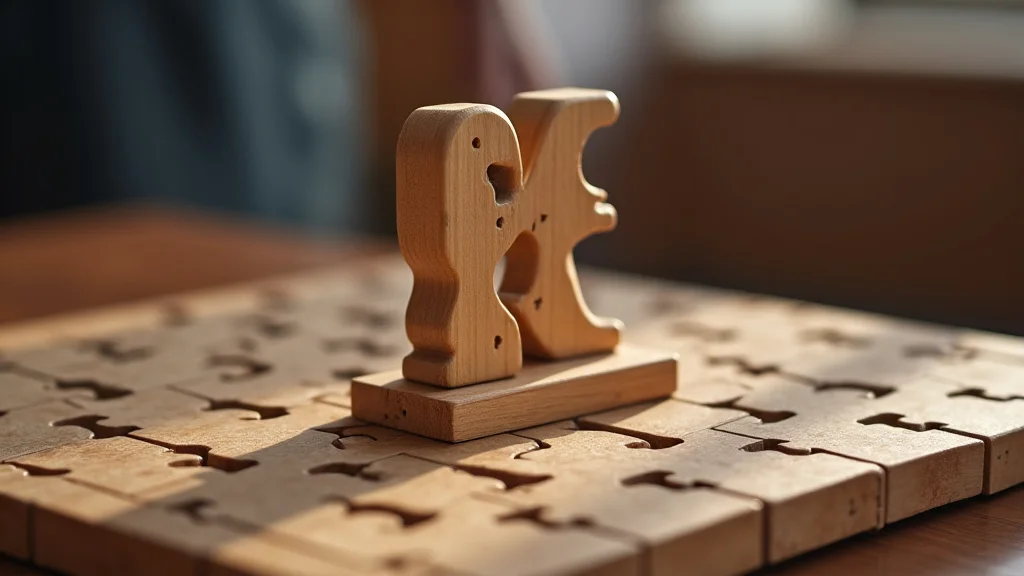
Remember that feeling of accomplishment when you finally pieced together a challenging jigsaw puzzle? Now, imagine that satisfaction, but with gears, levers, and intricate designs. I recently stumbled upon a fascinating mechanical puzzle for adults and was instantly hooked. The tactile experience of manipulating the parts, the satisfying clicks and whirs, and the sheer challenge of solving it kept me engrossed for hours. This post will guide you through the exciting world of these brain-teasers, showing you why they’re a perfect hobby for adults and how they can benefit your mind. You’ll learn the different types, how to choose one, and why they’re a fantastic alternative to screen time. By the end, you’ll have a clear idea of what to look for and where to start your puzzle adventure. This will improve your Time on Page and reduce your Bounce Rate.
Key Takeaways
- Discover the different types of mechanical puzzles for adults available.
- Learn about the cognitive benefits of solving them.
- Understand how to choose a puzzle based on difficulty and interests.
- Explore the materials and craftsmanship involved in their creation.
- Find recommendations for popular puzzles and where to buy them.
- Gain insights on how to foster a hobby that sharpens your mind.
Exploring the World of Mechanical Puzzles
Mechanical puzzles for adults represent a delightful blend of artistry, engineering, and problem-solving. They are more than just toys; they are intricate contraptions designed to challenge your spatial reasoning, critical thinking, and patience. Unlike digital puzzles, these offer a hands-on experience, involving physical interaction with components like gears, springs, and levers. This provides a tangible connection that can be profoundly satisfying. These puzzles are available in various forms, shapes, and materials, from simple disentanglement puzzles to complex lockboxes and automata.
Types of Mechanical Puzzles
The variety of mechanical puzzles is impressive, each with unique challenges. Different types test varied abilities, making it an excellent way to diversify your mental workout. Some require precise movements, while others focus on sequential problem-solving.
- Disentanglement Puzzles: These puzzles often involve separating intertwined pieces, such as ropes and metal bars. They typically require twisting, turning, and manipulating the components until they come apart. These puzzles test spatial reasoning and attention to detail.
- Locking Puzzles: These puzzles resemble intricate lockboxes, the goal being to open them. They often employ secret mechanisms, requiring the solver to discover hidden levers, buttons, or combinations. Solving these necessitates deductive reasoning and observational skills.
- Sequential Movement Puzzles: These puzzles demand a specific sequence of actions to reach a goal. This might involve moving gears, sliding blocks, or assembling components in a certain order. The key is in pattern recognition and strategic planning.
- Assembly Puzzles: With these, the goal is to construct a specific shape or structure using various parts. They are similar to 3D jigsaw puzzles, but frequently involve mechanical elements. They help develop spatial reasoning and a knack for design.
For example, a classic disentanglement puzzle might involve removing a ring from a complex metal structure. The challenge lies in figuring out the sequence of movements needed to free the ring without damaging the puzzle. They are usually easier to start with.
A well-crafted locking puzzle might have multiple stages, each requiring a different solution before the box can be opened. Some incorporate hidden compartments or secret passages, adding another layer of intrigue.
A classic example is the Burr puzzle, where wooden pieces fit together to form a locked structure. Solving it involves identifying the sequence that frees the pieces. Another variation is a puzzle requiring the user to move a ball bearing through a series of obstacles.
The pieces can range from simple geometric shapes to complex, intricately designed elements. The challenge lies in visualizing how the different parts fit together. Assembly puzzles come in many levels of complexity, allowing for progression.
The Benefits of Mechanical Puzzles
Engaging with mechanical puzzles for adults is about enjoyment and mental fitness. These activities provide a mental workout that sharpens various cognitive skills, making them a worthwhile hobby. Solving these puzzles can have a positive influence on your overall mental health. Unlike scrolling through social media or watching TV, these puzzles require active participation and focus.
Cognitive Advantages
The advantages of engaging with these puzzles reach beyond simple amusement. These activities provide a mental workout that sharpens various cognitive skills, making them a worthwhile hobby. Some of the skills they help improve include:
- Problem-solving: Puzzles inherently require you to break down complex challenges into manageable parts. The more you work with puzzles, the better you become at assessing challenges and finding effective solutions.
- Spatial Reasoning: Many mechanical puzzles, especially assembly puzzles, demand you to visualize objects in 3D. They challenge you to manipulate these objects in your mind and how they fit together.
- Patience and Perseverance: Solving a difficult puzzle can be frustrating, requiring persistence to achieve a solution. The satisfaction gained from completing a puzzle can be a significant motivator.
- Critical Thinking: Puzzles necessitate critical thinking, encouraging you to analyze information, spot patterns, and use logic to find solutions. They teach how to examine evidence and make informed decisions.
Mechanical puzzles require you to analyze the mechanism, identify the problem, and create a step-by-step plan. This mirrors the process we use in everyday life when addressing difficult tasks.
Good spatial reasoning can improve the ability to visualize how things work, navigate your surroundings, and even enhance skills in fields such as engineering and architecture.
Each puzzle teaches you to deal with failure. It also helps you approach problems from different angles without getting discouraged.
The ability to think critically is helpful for all areas of life, from professional settings to personal relationships.
Stress Reduction and Relaxation
In addition to cognitive benefits, mechanical puzzles offer several psychological advantages, including stress reduction and relaxation. The process of solving a puzzle can be a mindful activity that diverts your attention from daily stresses.
- Mindfulness: Focusing on the details of a puzzle can help focus your mind on the present. This practice is similar to meditation, helping you to center yourself and reduce feelings of anxiety.
- Relaxation and Downtime: The tactile nature of mechanical puzzles provides a calming experience. This is a contrast to the often hectic nature of modern life.
- Sense of Accomplishment: Completing a puzzle provides a tangible sense of accomplishment. This increases self-esteem and provides satisfaction.
Engaging with a puzzle demands your focus. The focus on the mechanics and visual elements helps you set aside other thoughts and worries.
The physical act of manipulating components and the satisfaction of discovering a solution offers a peaceful outlet and a break from digital devices.
The joy derived from successfully solving a challenging puzzle can be a powerful emotional booster. It is a rewarding experience, no matter the difficulty.
Choosing the Right Puzzle
The correct puzzle for you is a matter of personal preferences. The vast array of mechanical puzzles makes it possible to match your interests and experience level. Consider several factors to make sure you select a puzzle that provides the ideal balance of enjoyment and challenge. Consider the type of puzzle, the level of difficulty, and the materials used.
Matching Difficulty to Skill
Select a puzzle that suits your current experience to get the best enjoyment. A puzzle that is too easy won’t provide a mental challenge, while one that is too difficult can lead to frustration. Beginners and experienced solvers will find the right puzzles for their needs. Different puzzles are made with different skill levels in mind. Here’s a basic guide:
- Beginner Puzzles: These puzzles are usually easier to understand and solve. They often involve fewer steps. They are good starting points for new enthusiasts.
- Intermediate Puzzles: For those with some experience, intermediate puzzles offer a moderate challenge. They have increased complexity and may require more steps or the ability to think through multiple moves in advance.
- Advanced Puzzles: These are for experienced puzzle solvers. They involve intricate mechanisms, many steps, and high levels of problem-solving. Success demands time, patience, and strategic thinking.
Disentanglement puzzles or simple sequential movement puzzles are often good choices for beginners. Look for puzzles with straightforward mechanics and clear instructions.
These puzzles might include more sophisticated locking mechanisms or more intricate assembly designs. They provide a good balance between challenge and satisfaction.
These puzzles can take hours or even days to solve. Expect hidden compartments, complex sequences, and innovative mechanics.
Exploring Materials and Designs
The materials and designs of mechanical puzzles are a testament to artistry and craftsmanship. The best puzzles often use quality materials. Each material offers a different feel and aesthetic.
- Wood: Wooden puzzles offer warmth and a traditional look. They are often crafted with precision. They also have a tactile experience that many solvers prefer.
- Metal: Metal puzzles deliver a modern, sleek look. They use the precision and durability of metal to create intricate mechanisms.
- Complexity of Design: The intricacy of the design is central to the difficulty and allure of a mechanical puzzle. Puzzles can range from those with simple movements to those with many gears, levers, and hidden compartments.
Wood is a versatile material. It can be carved, stained, or laser-cut, which allows for elaborate designs and a satisfying weight in the hand.
Metal puzzles can range from simple designs to complex mechanisms. The use of metal gives a premium feel.
The design of a puzzle includes its aesthetic and its mechanics. Consider the visual appeal of a puzzle, but also its inner workings. A well-made design combines beauty and functionality.
Examples and Recommendations
Several mechanical puzzles for adults stand out for their challenging gameplay and beautiful design. These puzzles provide a glimpse into the diverse array of options available. These are examples of some puzzles available.
- The Hanayama Cast Puzzles: Hanayama offers a series of cast metal puzzles with varying difficulty levels. Each puzzle is unique. They are known for their intricate designs and high-quality craftsmanship.
- The Gear Cube: This puzzle uses interlocking gears to provide a tactile and mechanical challenge. It demands spatial reasoning and an understanding of gear systems.
- Wooden Lock Boxes: Wooden lockboxes combine elegance with a challenging solution. They often have secret compartments and intricate locking mechanisms.
- Da Vinci Code Cryptex: Based on the novel, this puzzle lets the solver enter a code to open the box. The puzzle requires a combination of logic and observation skills.
These puzzles range from simple disentanglement to complex interlocking designs. They are excellent choices for both beginners and experienced solvers.
It can be a good choice for someone interested in engineering principles. The rotating gears create a satisfying visual and physical experience.
These puzzles can be an engaging hobby and a beautiful collectible. The experience of opening a lockbox provides a unique sense of accomplishment.
These cryptex puzzles are a fun choice for puzzle fans. They are also a great conversation starter.
When selecting a puzzle, explore online stores, specialty shops, and puzzle events. Reviews and community groups can help determine what’s right for you. Different resources can provide further guidance in this area:
- Online Puzzle Retailers: Online shops such as Amazon, Etsy, and specialty puzzle retailers have wide selections. They offer detailed descriptions, reviews, and customer ratings.
- Puzzle Forums and Communities: Online forums and communities are sources of information and support. They provide opportunities to discuss puzzles, share tips, and learn new solutions.
- Local Puzzle Shops: Visiting local puzzle stores provides a tactile experience. You can see the puzzles in person. These shops usually offer hands-on demonstrations and expert advice.
- Puzzle Exchange Events: Search for local puzzle exchange events. This can provide a great opportunity to explore various types of puzzles. It also provides the ability to connect with other puzzle lovers.
These platforms often provide user reviews and difficulty ratings. This can help you choose the puzzle for your skill level.
Websites like PuzzleMaster or Reddit communities dedicated to mechanical puzzles can be helpful. They allow you to share your puzzles with others.
In-person browsing allows you to touch and feel the puzzles. Staff can provide personalized recommendations based on your preferences.
Puzzle exchange events are excellent for trading puzzles, learning new solving methods, and meeting others with shared interests.
Mechanical Puzzles in Real Life
The benefits of solving mechanical puzzles for adults extend to many aspects of real life. Problem-solving skills, patience, and critical thinking can improve performance in several areas. Here are some examples of how skills gained from puzzles can be used.
- Problem-solving in the Workplace: Mechanical puzzles teach you to analyze complex situations, break them down, and find solutions.
- Improved Communication and Teamwork: Working on puzzles with others teaches you how to articulate problems and cooperate to find the best solutions.
- Enhanced Creativity: Puzzles stimulate creative thinking. They require that you consider alternative approaches and challenge conventional methods.
Solving puzzles teaches an ability to identify and address problems methodically. This can be directly transferred to the workplace. Those with experience in solving puzzles often excel at tackling complex projects and finding creative solutions.
The skills used in collaboration are especially helpful in group activities. This is helpful for team projects or brainstorming exercises.
This skill can be used in your personal and professional life. The skills used in mechanical puzzles will help you view problems with a fresh perspective.
Common Myths Debunked
There are some misconceptions related to mechanical puzzles. Dispelling these myths can help you fully explore the advantages of this hobby.
Myth 1: Mechanical puzzles are just for kids.
In fact, mechanical puzzles for adults offer a variety of complexities, materials, and designs. They provide a challenging and engaging experience that many adults find satisfying. While puzzles designed for children are usually simpler, adult puzzles can range from the basics to the complex. This makes them good for all ages.
Myth 2: You need to be a genius to solve them.
While some puzzles are challenging, most are designed for a variety of skill levels. The appeal of puzzles is that they can be used by anyone, regardless of intelligence. The most important qualities are persistence, a willingness to experiment, and the ability to think critically. With the right attitude, anyone can discover the pleasure of solving mechanical puzzles.
Myth 3: They’re all the same.
Mechanical puzzles include a large variety of types, materials, and mechanisms. These include assembly puzzles, disentanglement puzzles, lockboxes, and sequential movement puzzles. Wood, metal, and other materials are also used. This ensures that a diverse range of puzzles is available to match individual interests and preferences. This ensures the availability of puzzles.
Myth 4: They’re expensive.
While some mechanical puzzles are expensive because of their high-end craftsmanship, there are many choices that are affordable. They are available in various price ranges, to provide access to those with different budgets. You can begin with puzzles that suit your budget. This allows you to explore the hobby without a significant investment.
Myth 5: They’re a waste of time.
Mechanical puzzles offer multiple cognitive and emotional benefits. The puzzles improve cognitive abilities, as well as the sense of accomplishment, and also help reduce stress. Unlike mindless scrolling, puzzles stimulate the brain. They also encourage mindfulness, and also provide a fun and rewarding pastime.
Frequently Asked Questions
Question: How do I get started with mechanical puzzles?
Answer: Start with beginner-level puzzles, such as disentanglement or simple assembly puzzles. Read the reviews. Join online forums. This is how you learn the basics and get tips from experienced solvers.
Question: What are the best materials for mechanical puzzles?
Answer: Wood offers a traditional feel and beautiful designs. Metal puzzles are sleek, durable, and offer a premium feel. Quality matters in the construction.
Question: Are mechanical puzzles good for the brain?
Answer: Yes, mechanical puzzles help improve problem-solving, spatial reasoning, critical thinking, and patience. They also assist in stress reduction.
Question: Where can I buy mechanical puzzles?
Answer: You can find them at online stores (Amazon, Etsy), specialty puzzle shops, and local hobby stores. Puzzle exchange events are also great options.
Question: How long does it take to solve a mechanical puzzle?
Answer: The time varies. Simple puzzles may take a few minutes. More complex puzzles can take hours or even days. The more difficult a puzzle, the longer it will take.
Final Thoughts
The world of mechanical puzzles for adults is a gateway to a world of fun, challenge, and cognitive improvement. From the intricate designs to the satisfaction of a “click”, these puzzles offer a unique blend of creativity and mental exercise. They go beyond simple entertainment, building valuable skills and offering mental relaxation. Whether you are new to puzzles or a seasoned solver, this hobby can bring joy. So, pick out a puzzle. Challenge your mind. Explore the world of these fantastic mechanical wonders and enjoy the rewarding experience of solving them.
Leave a Reply